Sponsored by Lifescape
From the very first stretch to those exciting first steps, a baby’s first year is full of movement, and every bit of it matters.
While milestones like rolling, sitting, and walking are often in the spotlight, what’s happening behind the scenes is even more important. Each wiggle, reach, and push helps build the strength, coordination, and confidence babies need to grow and explore the world around them.
The good news? Supporting your baby’s development doesn’t require special equipment or complicated routines. It starts with something simple: movement through play.

Moving and Learning
Babies learn about their bodies by moving. When given the opportunity to move freely, babies naturally begin to build core strength, develop balance and coordination, improve motor skills, explore their surroundings, and gain confidence in what their bodies can do.
These early movements lay the foundation for future skills like crawling, walking, and even fine motor tasks like feeding and writing later on.
Many parents are familiar with tummy time, as it’s an important part of development. But healthy movement goes beyond just one position. Babies benefit from experiencing a variety of positions throughout the day, including:
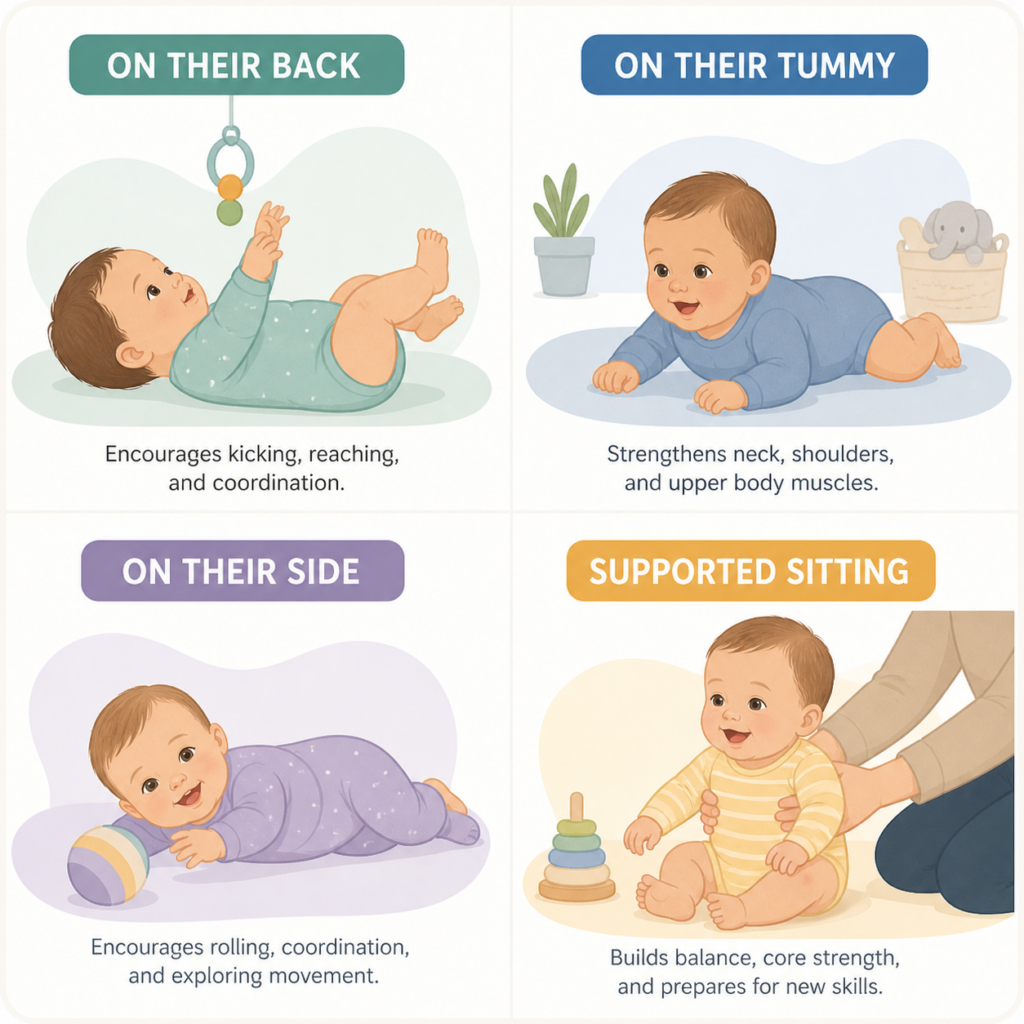
Each position offers a different opportunity for growth. The more variety babies experience, the more skills they can develop.
Support Your Baby’s Growth
The most powerful tools for development are often the simplest. Here are easy, everyday ways to support your baby’s growth.
- Make Floor Time a Priority
- A safe, open space on the floor gives babies freedom to move, explore, and practice new skills.
- Encourage Reaching and Rolling
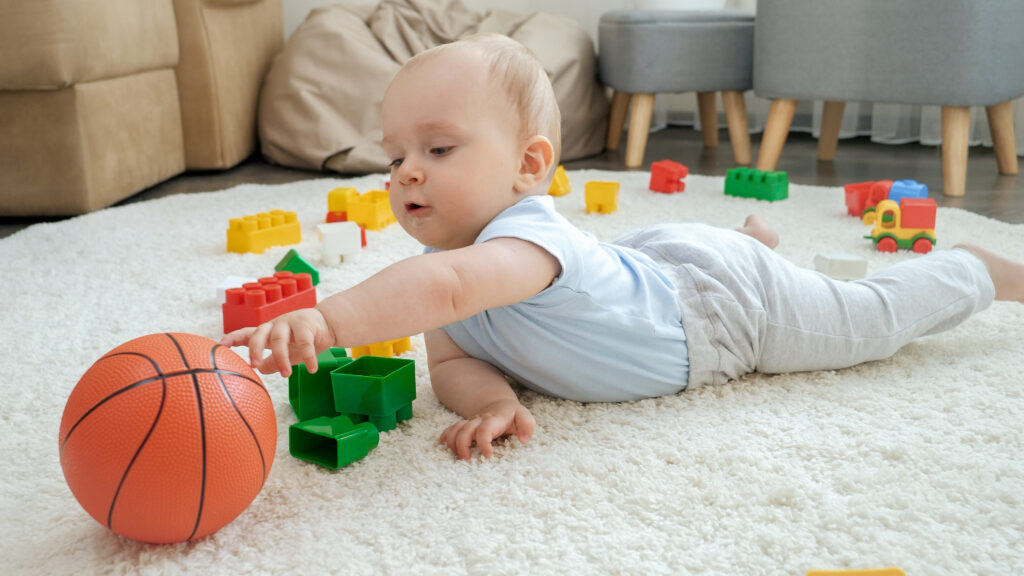
- Place toys just out of reach to motivate your baby to stretch, turn, and move toward them.
- Use Everyday Moments
- Diaper changes, getting dressed, and playtime are all opportunities to encourage movement.
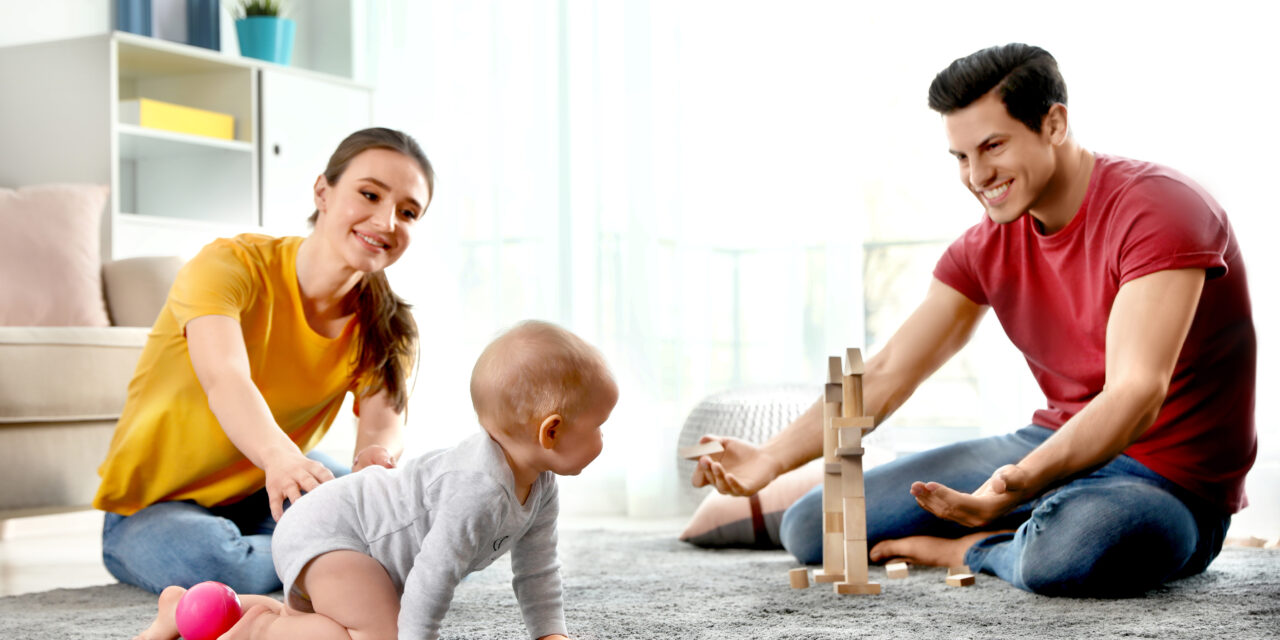
- Get Down and Play
- Face-to-face interaction encourages babies to lift their heads, track movement, and engage with the world around them.
- Follow Your Baby’s Lead
- Every baby develops at their own pace. Let them explore movement in a way that feels natural and enjoyable.
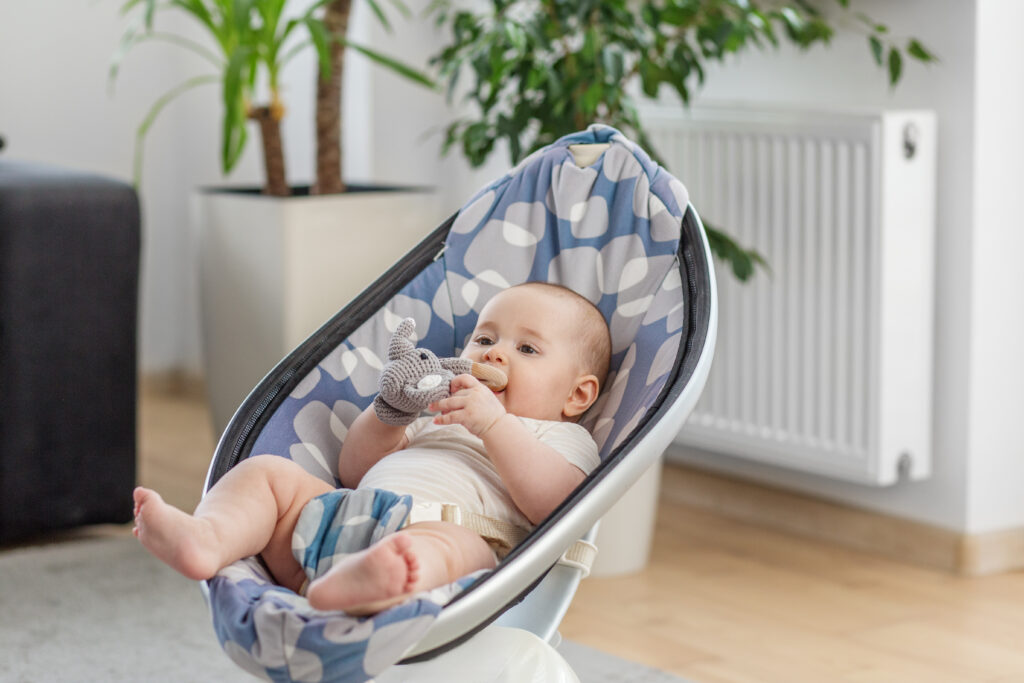
Today’s parents have access to a wide range of baby gear designed to soothe, entertain, and support infants. While these tools have their place, it’s important to make sure they don’t replace opportunities for active movement. As a guideline, try to limit time in swings, seats, and other positioning devices to short periods (about 15-20 minutes at a time).
This helps ensure babies still get plenty of time to move freely, which is where real developmental work happens.
Extra Help
All babies grow and develop at their own pace, but there are times when extra support can help. You may want to talk with your pediatrician or a therapy provider if your baby:
- Seems very stiff or very floppy
- Prefers to look or move to one side
- Has difficulty lifting their head during tummy time
- Isn’t rolling or sitting as expected
Early support can make a big difference and often starts with simple strategies families can use at home. At LifeScape, our pediatric therapy teams work alongside families to support development through movement, play, and individualized care, meeting each child exactly where they are.
Explore resources and therapy services at LifeScapeSD.org or connect with our team to learn how we can support your family’s journey.