This article was originally printed in the January/February 2026 issue of ‘hood Magazine. To see this article in print, and to read the rest of the issue, check out our digital issue.
By: Sarah Kurtenbach
“Mommy, this is soooo boring. When can we go shopping for me?” my 4-year-old groaned as we browsed the aisles for Christmas gifts—not for her, but for kids in need. Ah yes, the sweet sound of early childhood generosity…or something like it.
The truth is, generosity doesn’t come naturally to every kid (or every adult, if we’re being honest). But that’s exactly why we get the privilege of teaching our children that giving isn’t just the right thing to do, it’s actually joyful, empowering, and even fun.
Here are four ways to raise kids who love giving back:
1. Teach Them Early to Budget for “Giving”
When your child earns money (and yes, earning through chores is far more powerful than a guaranteed weekly allowance), help them sort it into three categories: Give, Save, Spend. This simple habit teaches them that a portion of their money always has a purpose beyond themselves. Over time, “giving” becomes as normal as buying Pokémon cards or begging for snacks 10 minutes after lunch.
2. Let Passion Lead the Way
Kids are far more excited to give when the cause matches something they adore. Are they obsessed with animals? Music? Church? Space exploration? Help them direct their “Give” money toward causes they naturally care about. When generosity is tied to something that lights them up, their excitement and willingness increase.
3. Model Giving (They’re Watching!)
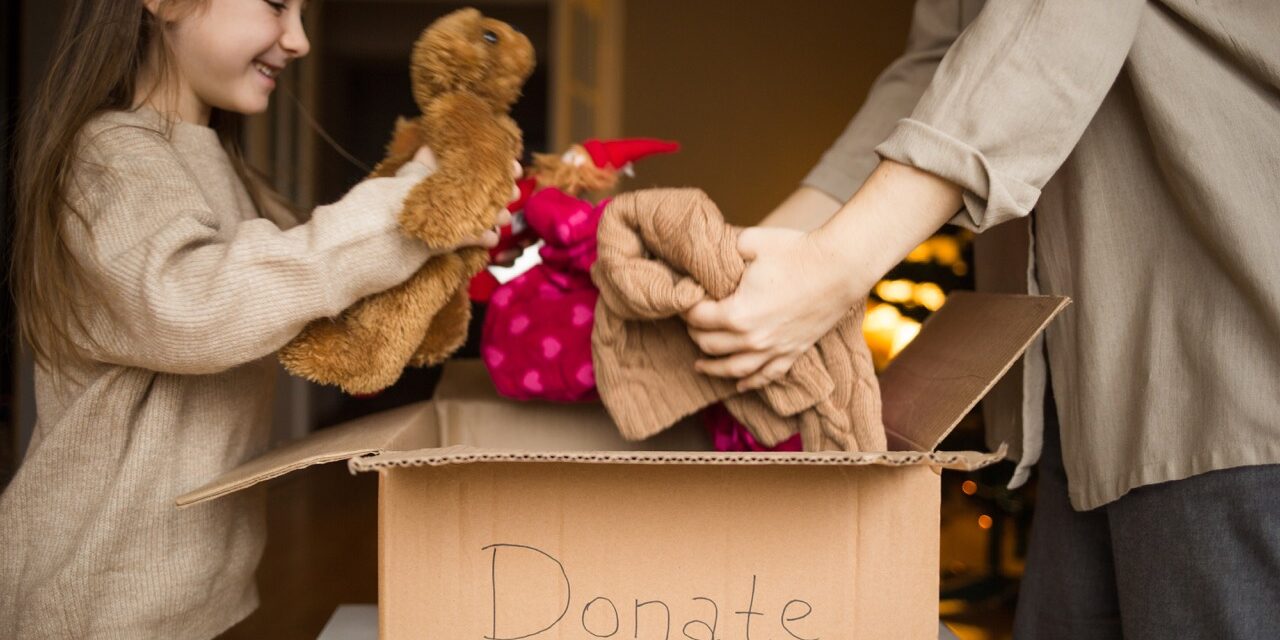
Kids learn far more from what we do than what we say. Show them that you also budget for giving each month. Talk about the organizations you support and why. Bring them along when donating groceries, packing care boxes, or shopping for someone in need. The more your kids see generosity in action, the more they’ll understand it as a normal part of life, not a holiday-only event.
4. Make the Impact Visible
Kids thrive on seeing results. Instead of dropping money into a mysterious bin, involve them in choosing a cause, tracking where the funds go, or viewing photos and stories of the people or animals helped. Research shows that knowing the impact of giving actually boosts happiness (yes, even in kids).
Pro Tip: Ask, “If you had $10 to help someone this week, who would it be?” You’ll learn a lot about their little hearts.
Teaching generosity takes time, patience, and a few deep breaths. But one day, they’ll get it. And when they do, the joy is pure magic.
Sarah is a local mom of two who knows a thing or two about financial literacy. She is the founder of moveHER Money, where she teaches girls how to be financially savvy.