
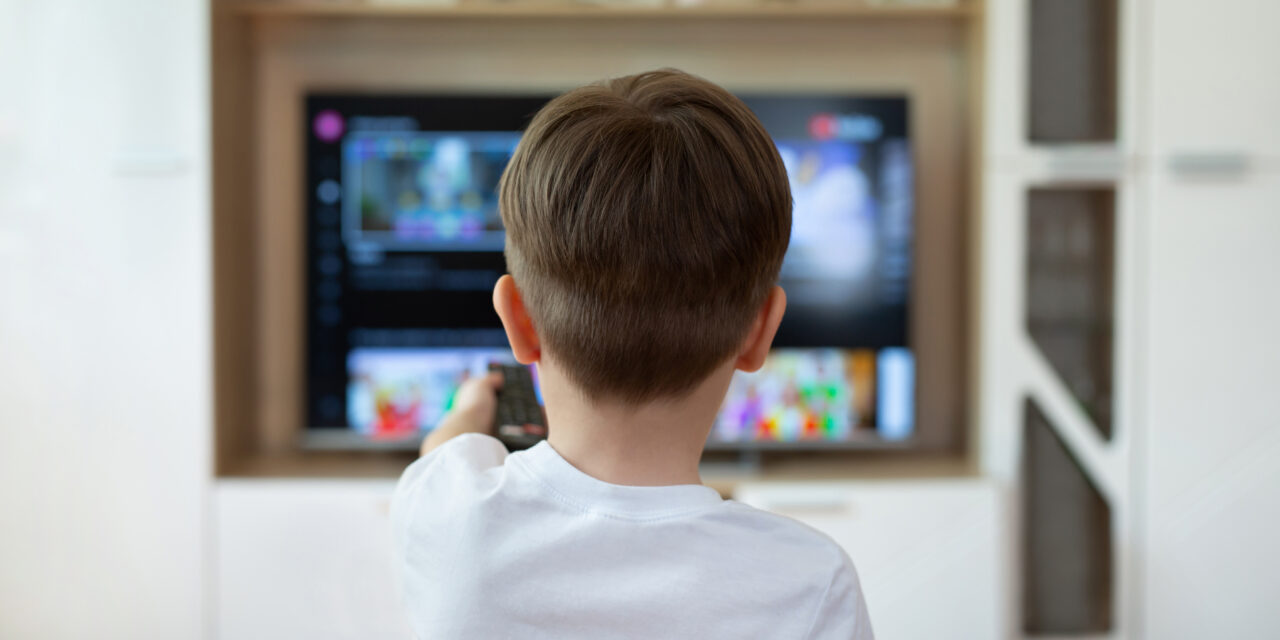
If January feels like the month when screens quietly take over your house, you’re not imagining it. Winter days are long, it’s cold outside, school is back in session, and everyone’s energy seems a little lower than usual. Screens become entertainment, downtime, an easy connection, and sometimes survival.
January is also often the time of year when families are looking to reset, make some changes, and shape the coming year. Screen time is a great thing to look at and consider each year. We pulled together some national research to help your family understand what is happening in the average home.
Looking to spend less time on screens? Check out our post for 25 Family-Night Activities that are Screen-Free!
Many parents find themselves asking the same question this time of year: Is this too much screen time… or is this just real life right now?
A Simple Look at Kids’ Screen Time by Age
When you zoom out and look at national averages, screen time tends to increase steadily as kids get older — and often more than parents expect.
- Young kids (ages 2–4) average about 2 hours of screen time a day.
- Elementary-aged kids (ages 5–8) are closer to 3 1/2 hours per day.
- Older elementary kids (ages 9-10) often land around 6 hours daily,
- Teens tend to spend 7 1/2 hours a day on screens outside of homework.
These numbers come from large national studies, including research from Common Sense Media and the CDC, and they reflect everyday screen use — TV, tablets, phones, gaming, and streaming combined.
If your reaction is, “Wait… really,? you’re not alone. Many parents underestimate what’s considered “average” right now.
Winter Makes Everything Feel Louder
It’s also important to remember when screen time tends to spike. Winter months naturally bring:
- Fewer daylight hours
- Less outdoor play
- More time at home
- More tired kids (and parents)
January checks all of those boxes. Screens often fill the gaps between school, dinner, homework, and bedtime, and for many families, that doesn’t mean something has gone wrong. It means winter is doing what winter does.
It’s Not Just One Kind of Screen Time Anymore
Another reason screen time feels overwhelming? It’s no longer just “watching TV.”
Kids today move between:
- Streaming shows
- YouTube and short-form videos
- Video games
- Tablets and phones
- Homework on screens
National surveys show most kids use multiple devices in a single day. Some screen time is passive, some is interactive, and some is genuinely social. All of this can make blanket rules about technology harder to apply.
Parents Want What’s Best
One reassuring takeaway from national polls is that parents care about screen time. Most say they have boundaries around screens — like limiting use before bed, during meals, or on school nights.
At the same time, many parents admit they don’t follow those rules perfectly.
And honestly? That makes sense. Evenings are busy, energy is low, and sometimes screens help families get through the day. Balance doesn’t have to mean perfection.
Do these Numbers Fit Your Family?
If cutting down on screen time is something that you want to see happen for your family this year, start small! Create realistic goals that you feel positive about. Being more mindful about the content your kids are watching, viewing together, so that you can later engage with them about what you watched, and aiming to watch long-form content over short videos is a great place to start.
January can be a gentle reset, not a total overhaul. Small shifts, like screen-free dinners, earlier device shut-off times, or more intentional weekend plans, can make a difference without turning screens into a daily battle.
Because the truth is, figuring out your kid’s screen time is part of modern parenting. And navigating it thoughtfully, imperfectly, and realistically is something we are all trying to figure out.