
Sponsored by Avera Children’s
Head to our Fall Headquarters, sponsored by Avera Children’s, for more great fall and Halloween content!
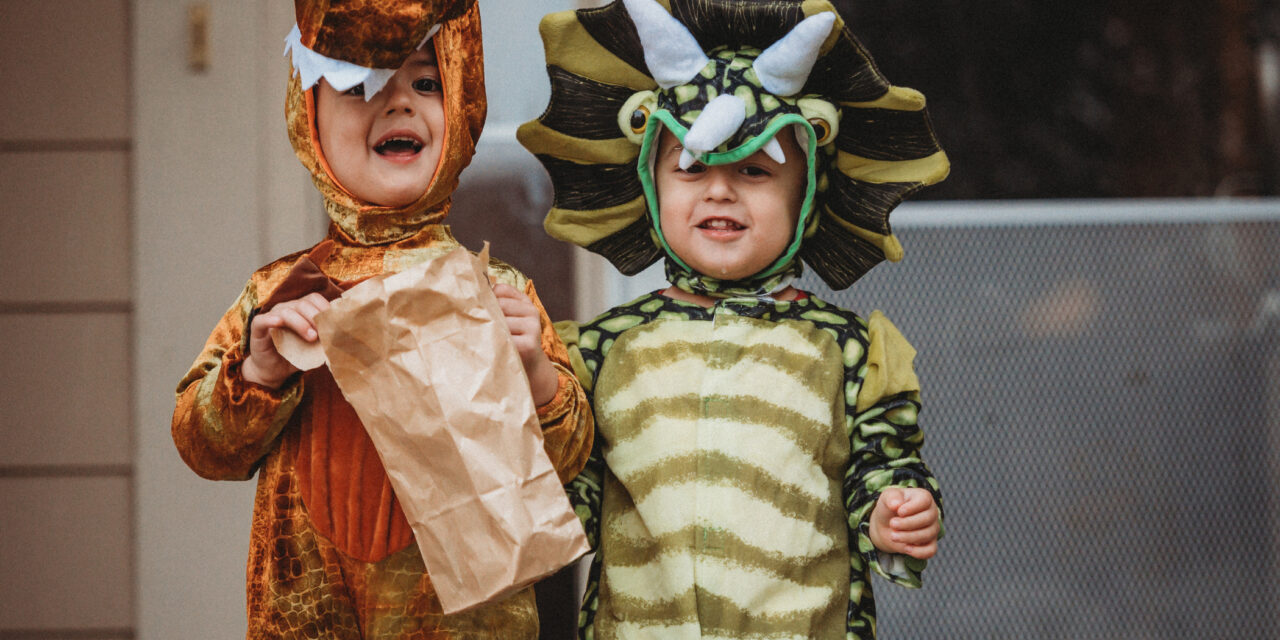
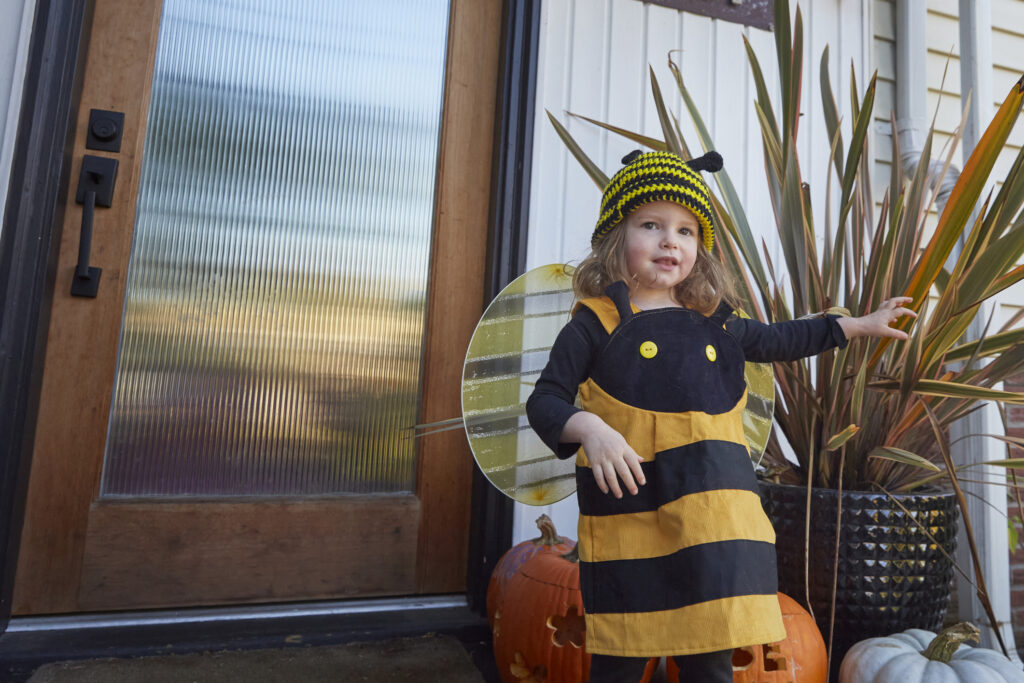
Halloween is a whirlwind of excitement for kids. There are the costumes, carved pumpkins, spooky decorations and of course the joy of racing around the neighborhood gathering treats.
While kids are focused on what ends up in the trick-or-treat bag, parents are left with the dilemma of what to do with the mountain of candy that suddenly takes over the kitchen counter. How much candy is too much? Is it better to hide it, ration it or just eliminate the temptation altogether? The good news is that with a little planning, your family can enjoy the season without the sugar struggle.
Before racing door to door, consider if your little one is prepared to take part in the full festivities of Halloween night. Trick-or-treating is one of the most exciting parts of the holiday, but it can also be overwhelming for young children, especially those under age 5, who have difficulty differentiating what is real and what is pretend. If you think that going up to a stranger’s house will be too scary for your young child, stay home and let them pass out treats.
Set safety rules for children: watch for cars, walk only on the sidewalk and approach only houses whose lights are on. Make sure that any masks have a clear sightline for children to see where they are going,
Remember that the goal isn’t to fill every inch of the candy bag. A shorter outing can be just as much fun, especially for younger children who may tire easily. Watch for signs of a melt-down. Call it a night when your child begins to seem tired or stressed.
Use Halloween Candy to Enforce Habits
Parents have debated Halloween candy or how much to allow kids for ages. Whether your family follows a “no candy” rule or takes the free-for-all approach, here are tips for managing the candy monster as well as some fun alternatives to traditional Halloween treats.
Candy is high in sugar, and that ingredient can lead to a lack of focus and out-of-control behavior in some kids.
Some children may be more sugar-sensitive; for some, the excitement of the occasion itself may contribute to wild moods and activity. Regardless of how your child reacts, the American Dietetic Association says limiting kids’ intake of sugar is always a good idea. Yet a bigger issue remains: excess sugar can kill a kid’s appetite for healthier foods they need to grow.
On the behavioral side, some research suggests that when you completely forbid your child to have candy, they may develop a “deprived mentality” that causes them to crave candy – and overdo it – later. Sheltering kids from sweets and treats doesn’t teach them how to manage these temptations later in life.
In addition to discouraging unhealthy habits such as candy before bedtime, parents should pay attention to their own post-trick-or-treat routine. “Adults need to practice healthy food habits – model the behavior you want children to have as adults,” said Twila Perkinson, Avera Child Life Specialist. “If the kids see you wolf down six snack size candy bars, it’s hard for them to buy into lessons in moderation.”

What to Do With Candy After Trick-or-Treating
- Most of the time, keep the candy out of sight, out of mind. Instead of putting that giant bowl of Halloween candy on the kitchen table where it is a temptation to everyone, bag it up and put in a cupboard.
- Have the kids sort their candy (a good learning game!), then pick out their five favorite kinds to keep. This teaches “mindful eating”—making choices, limiting serving sizes, and savoring and enjoying your choices rather than gorging on as much as you are allowed.
- If you are going to limit the candy, set the rules and make sure your kids understand and agree. If they can follow the rules, let them control the candy stash. If they can’t, parents will need to be in charge.
- Decide how much candy is an acceptable amount for a day. Measure it on a kitchen food scale (a math lesson!). Put the daily amounts in sealed bags with the day or date written on them.
Halloween Candy Alternatives
If you’d rather avoid giving out candy this Halloween, there are a variety of fun and unique treats to offer trick-or-treaters. In addition to curbing the sugar intake, non-food treats promote inclusion for trick-or-treaters with foods allergies and other conditions. The Teal Pumpkin Project, a worldwide movement to promote non-allergen related treats for Halloween, offers several options to make sure every child can enjoy the holiday. Consider these non-food ideas:
- Glow sticks
- Stickers
- Small crayon or marker packs
- Play-Doh
- Pencils
- Small toys
- Temporary tattoos
Memories last longer than candy
Even though kids may say candy is the best part of Halloween, what they truly enjoy is fun experiences and family traditions. Find balance with treats by setting reasonable limits and promoting non-food alternatives. Craft making, pumpkin carving and scary stories in the dark are all great ways to enjoy Halloween without the sugar crash.