
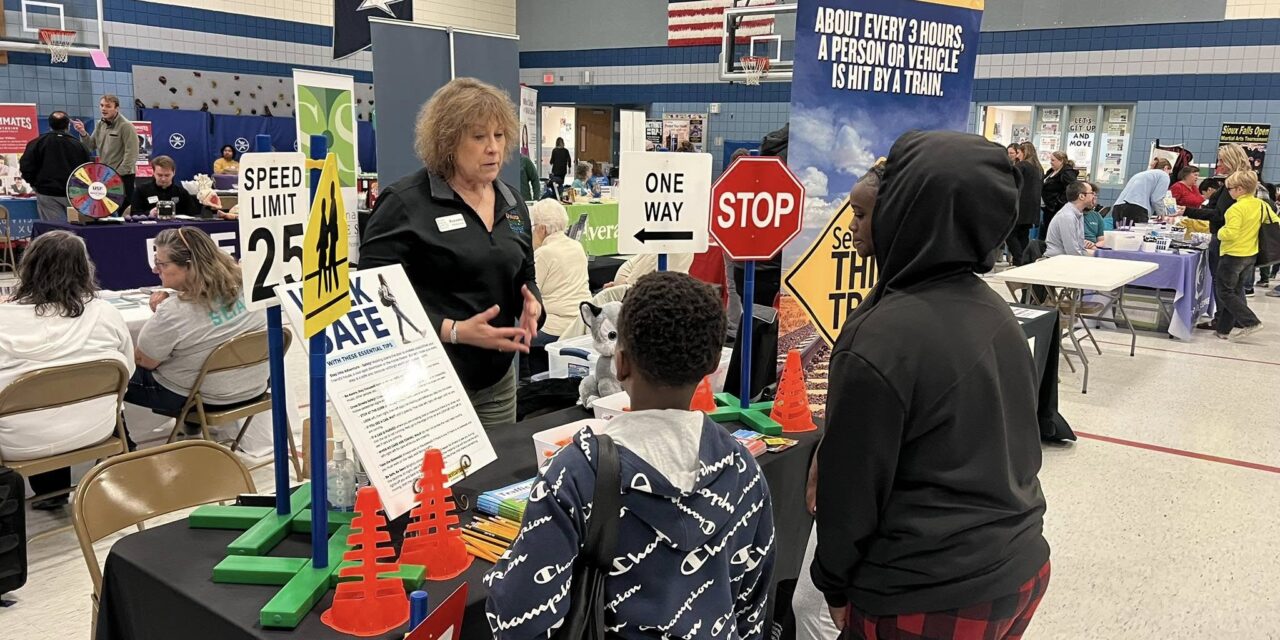
Sponsored By the South Dakota Safety Council
Pedestrian safety is an essential aspect of road safety that affects people of all ages. Every day, millions of individuals walk to school, work, shopping centers, parks, and other destinations. Walking is one of the most environmentally friendly and healthy modes of transportation, but it also exposes people to risks from traffic accidents. Ensuring pedestrian safety requires cooperation among pedestrians, drivers, urban planners, and government authorities. By understanding common hazards and adopting preventive measures, communities can create safer environments for everyone.
Pedestrian accidents are a significant concern worldwide. According to road safety reports, thousands of pedestrians lose their lives annually due to traffic-related incidents, while many more suffer serious injuries. These accidents often occur at intersections, crosswalks, and roads with heavy traffic. Factors such as distracted driving, speeding, poor road design, inadequate lighting, and pedestrian negligence contribute to these incidents. As urban populations continue to grow, the need for effective pedestrian safety measures becomes even more critical.
Pedestrian Awareness
One of the most important principles of pedestrian safety is awareness. Pedestrians must remain alert to their surroundings at all times. The increasing use of smartphones and other electronic devices has led to distracted walking, where individuals focus on their screens instead of monitoring traffic conditions. Listening to loud music through headphones can also reduce awareness of approaching vehicles. Pedestrians should avoid distractions and pay close attention when crossing streets or walking near traffic.
Using designated crossing areas is another key aspect of pedestrian safety. Crosswalks, pedestrian bridges, and traffic signals are designed to provide safe passage across roads. Pedestrians should always use these facilities whenever available. Crossing the street at random locations, commonly known as jaywalking, increases the likelihood of accidents because drivers may not expect pedestrians outside designated crossing zones. Waiting for the pedestrian signal and checking both directions before crossing can significantly reduce risks.
Children are among the most vulnerable road users. Due to their limited understanding of traffic rules and their smaller size, drivers may have difficulty noticing them. Parents and teachers play a crucial role in educating children about road safety. Children should be taught to look left, right, and left again before crossing a street, obey traffic signals, and avoid running into the roadway. School zones often have reduced speed limits and crossing guards to protect young pedestrians. These measures should be respected by both drivers and pedestrians.
Older adults also face unique challenges related to pedestrian safety. Aging can affect vision, hearing, mobility, and reaction times, making it more difficult to navigate busy roads safely. Longer crossing times at intersections, well-maintained sidewalks, and improved lighting can help older pedestrians move safely. Drivers should exercise extra caution when approaching areas frequently used by senior citizens.
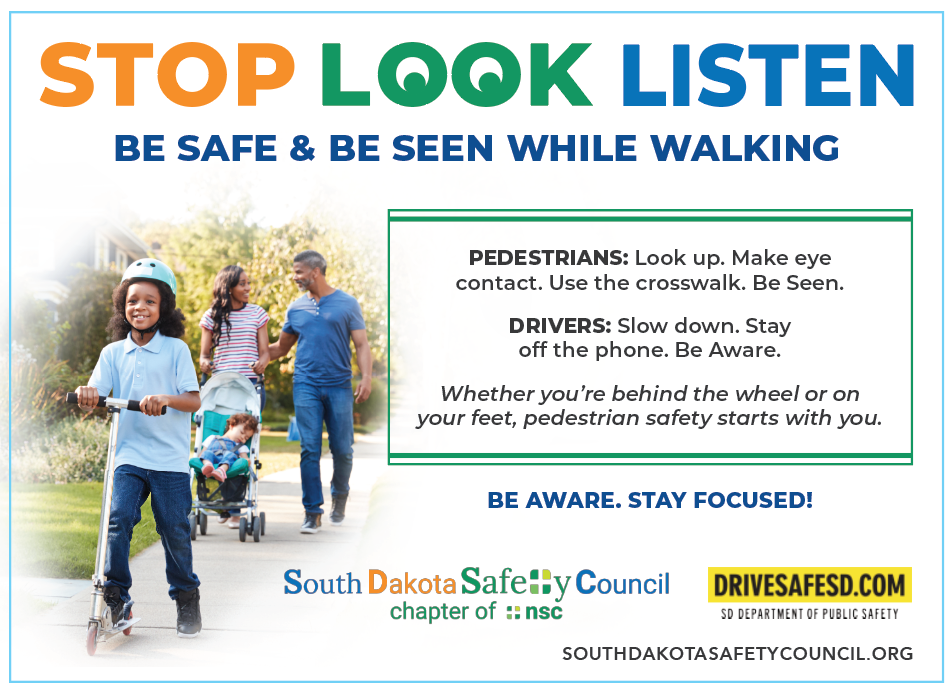
Driver Responsibility
Drivers have a major responsibility in preventing pedestrian accidents. Motorists must remain attentive, obey speed limits, and yield the right of way when required. Speeding is particularly dangerous because it reduces the driver’s ability to stop quickly and increases the severity of injuries in the event of a collision. Distracted driving, especially texting while driving, has become a leading cause of accidents. By focusing fully on the road, drivers can identify pedestrians early and respond appropriately.
Infrastructure plays a significant role in pedestrian safety. Well-designed roads and walkways can greatly reduce the likelihood of accidents. Sidewalks provide dedicated spaces for pedestrians, separating them from moving vehicles. Crosswalks with clear markings, pedestrian islands, traffic calming measures, and adequate street lighting improve safety for road users. Urban planners and local governments should prioritize pedestrian-friendly designs when developing transportation systems.
Visibility is another important factor in pedestrian safety. Many accidents occur during nighttime or in poor weather conditions when visibility is reduced. Pedestrians can improve their visibility by wearing bright-colored or reflective clothing, especially when walking near roads after dark. Carrying a flashlight or using reflective accessories can further enhance safety. Drivers should also use headlights appropriately and remain vigilant in low-visibility conditions.
Community Awareness
Community education and awareness campaigns are effective tools for promoting pedestrian safety. Schools, workplaces, and local organizations can organize programs that teach road safety principles and encourage responsible behavior. Public awareness campaigns can remind drivers to slow down and watch for pedestrians while encouraging pedestrians to follow traffic regulations. Such initiatives foster a culture of safety and shared responsibility.
Technology is increasingly being used to improve pedestrian safety. Modern vehicles are often equipped with advanced safety features such as automatic emergency braking, pedestrian detection systems, and collision warning systems. Smart traffic signals and surveillance systems can help monitor traffic patterns and improve safety at busy intersections. While technology offers valuable support, it should complement rather than replace responsible behavior from both drivers and pedestrians.
Governments also play an important role in enforcing traffic laws and implementing safety policies. Strict penalties for speeding, distracted driving, and failure to yield to pedestrians can discourage risky behaviors. Regular maintenance of roads, sidewalks, and traffic signals ensures that infrastructure remains safe and functional. Investment in pedestrian-friendly transportation networks contributes to healthier and more sustainable communities.
Pedestrian Safety Responsibility
Pedestrian safety is not solely the responsibility of one group; it requires collaboration from everyone who uses the road. Pedestrians must stay alert and follow traffic rules, drivers must operate vehicles responsibly, and authorities must provide safe infrastructure and effective enforcement. When all stakeholders work together, the number of pedestrian accidents can be significantly reduced.
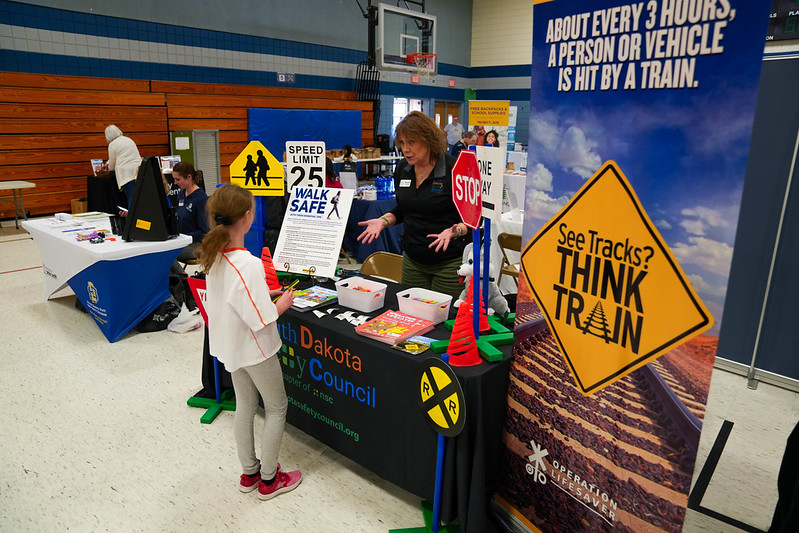
Pedestrians: Look up. Make eye contact. Use the crosswalk. Be Seen.
Drivers: Slow down. Say off the phone. Be Aware
Whether you are behind the wheel or on your feet, pedestrian safety starts with you.
In conclusion, pedestrian safety is a vital component of public health and transportation systems. Safe walking environments encourage physical activity, reduce traffic congestion, and enhance the quality of life within communities. Through education, responsible behavior, improved infrastructure, technological advancements, and strong enforcement of traffic laws, society can create safer roads for pedestrians. Every life is valuable, and prioritizing pedestrian safety helps ensure that everyone can travel confidently and securely.

To Learn More, check out these websites!
South Dakota Office of Highway Safety