Sponsored by The Outdoor Campus
Spring marks the beginning of “baby animal season”. This is the time of year when people are likely to find young wild animals who are sometimes alone in a variety of places including their own backyard. Though these animals may seem like they are alone or orphaned, the vast majority of the time that is not the case. Often, the young animal’s mother or main caregiver is out finding food for herself and her young.
Because of this situation, it is important that everyone be aware that the best thing that they can do for the animal is leave it be. The sayings that the South Dakota Game, Fish and Parks has adopted is: “If You Care, Leave It There” and “Leave Wildlife Wild”.
What do I do if I find a wild animal alone?
If your family comes across a baby animal that seems alone, the best thing for you to do is: (1) leave the animal alone, (2) ensure that children and other family members leave it be, and (3) ensure that any pets are kept away from it by creating a safe space.
It is also recommended that you not try to capture the animal. Capturing a young animal will often lead to unneeded stress for it and expose it to diseases. Further, handling of the animal can expose you, your family and your pets to parasites, disease, and possible injury. Moving the animal or taking it in your home is not advised and is often detrimental to the animal. Wild animal mothers know best what and when to feed their young and also teach them how to live on their own in the wild. Humans cannot teach an animal that.
Let’s Dig into Specific Types of Animals:
Below you will find some key information about common baby animals you may come across on a hike or in your yard and what you should do if you find them.
White-Tailed Deer:
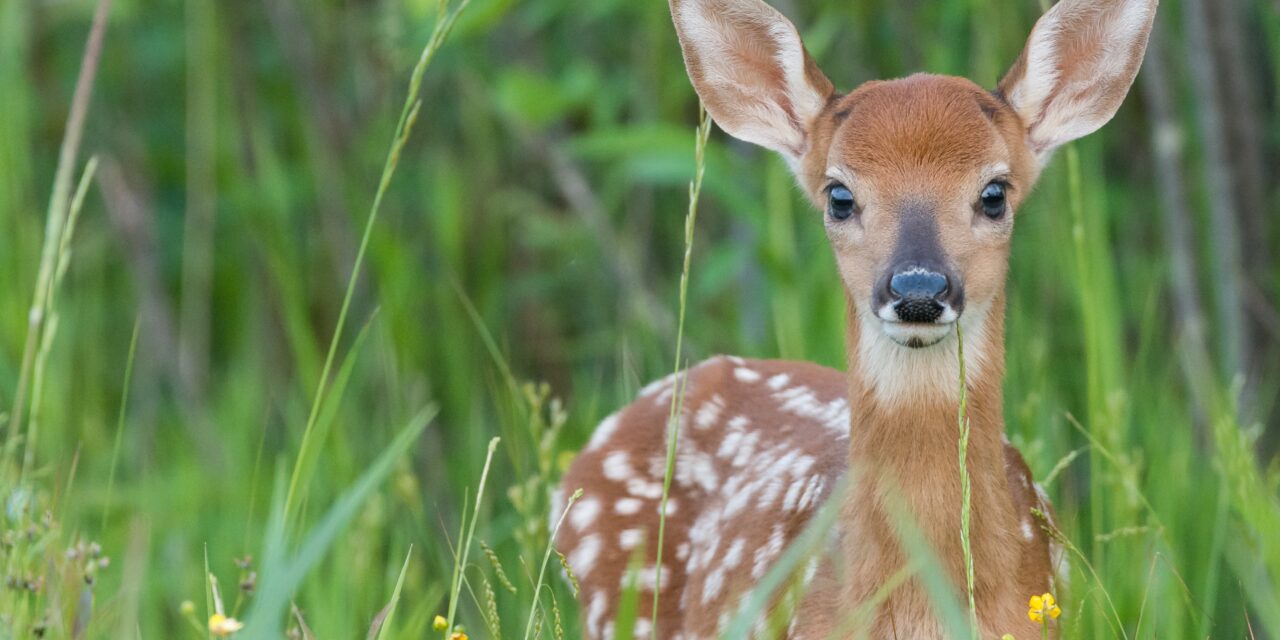
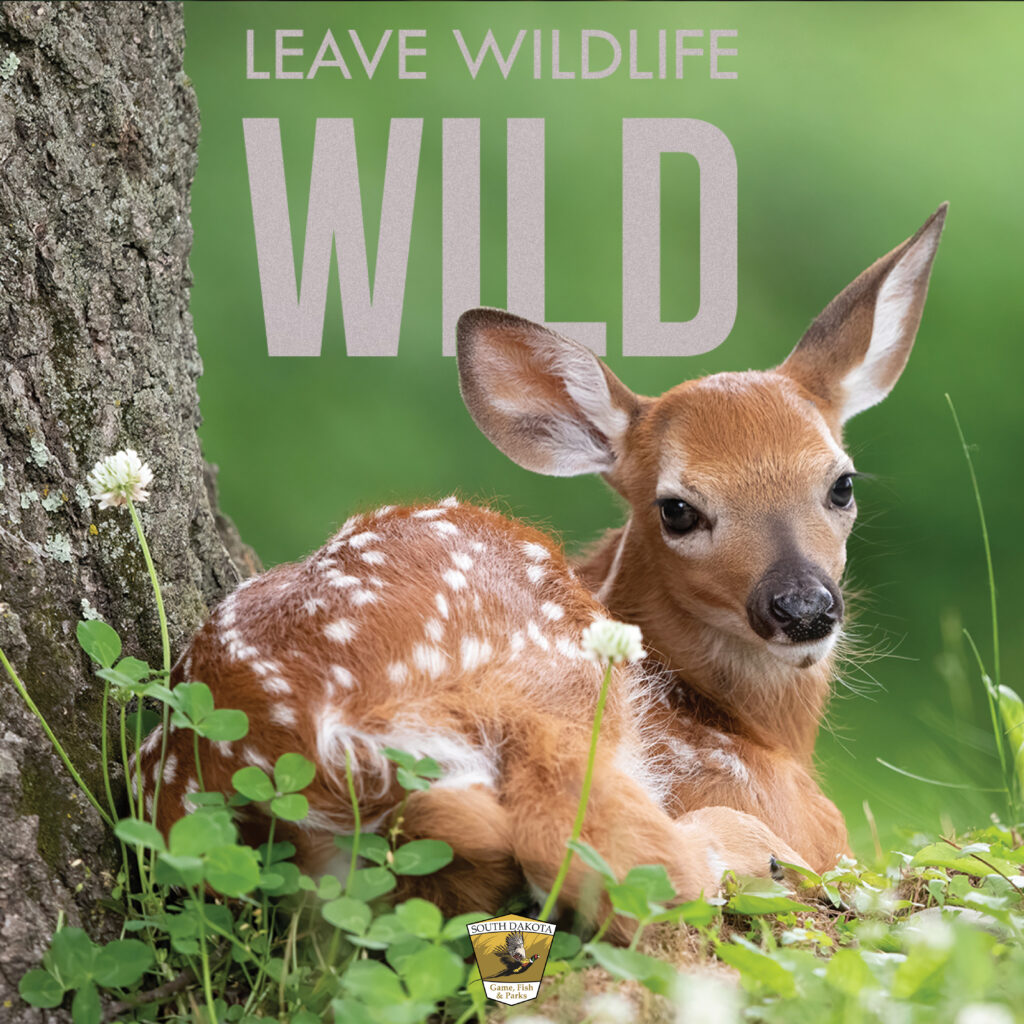
- Young fawns are nearly scentless and have spots that act as camouflage to help them avoid predators. Does will often leave their fawn alone for long periods of time. This is one way of protecting the fawn by not drawing attention from predators. Once a fawn is 7 days old it can keep up with its mother and will be with her more often.
- If you find a fawn alone, its mother is likely nearby. It is recommended that you do not walk up to, move or stay near the fawn, because that could attract a predator to it. Further, if a family member brings a fawn home, immediately return the fawn to where it was found so its mother can continue to care for it. Fawns removed from the wild very rarely survive.
Raccoons:
- Raccoons are nocturnal, so they are most often active at night. However, sometimes the mother may search for food during the day in Spring and Summer. This requires the mother to leave their kits alone until the evening.
- If you find a racoon kit alone, it is okay to watch from a distance because the raccoon kit will likely find its way back to its den or the mother will come and collect it.
Cottontails:
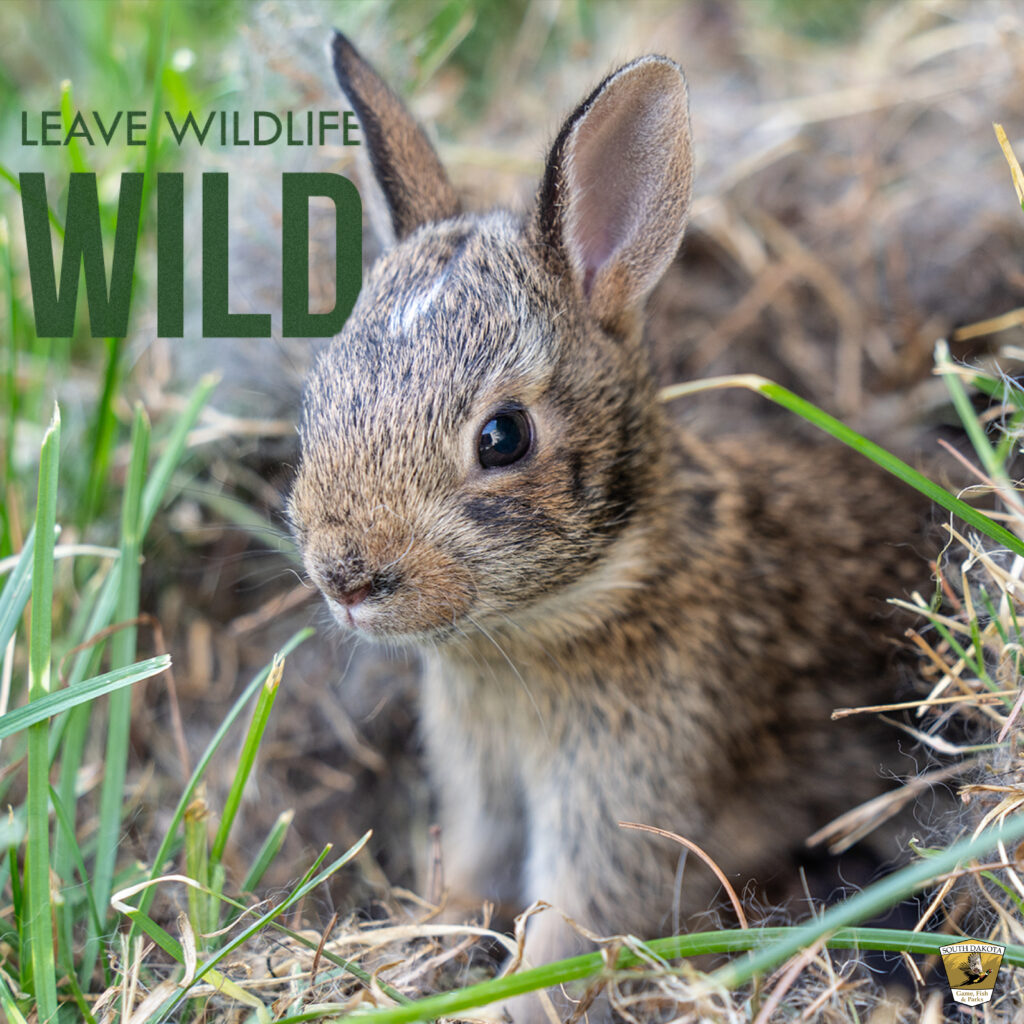
- Cottontail Rabbits are a very prolific visitor to backyards and will create nests in shallows scrapes in the ground that they line with grass and fur. Mothers will often leave young alone and only return to feed their young at dawn and dusk.
- If you find a nest please leave it alone, the mother is likely nearby. If you find a nest that is disturbed, you can put on gloves and carefully rebuild the nest by covering them back up. Do not continue to check the nest, because that may attract predators.
Tree Squirrels:
- The Eastern Fox Squirrel is another common backyard animal. If you see a young squirrel on the ground, leave it alone. The mother will likely come back and carry the young to their nest. This often happens after a wind storm.
Songbirds:
- Sometimes a baby bird will blow out of a nest. If the young bird lacks feathers and you can reach the nest, you can carefully place the bird back in the nest. If you do not know where the nest is you can place the bird in a basket with some grass and place it on the tree.
- If the baby bird has feathers, leave it alone. It has likely left the nest and is working on mastering flying. The mother will continue to feed the bird on the ground as it works to become proficient at flying.
Ducklings
- Ducks sometimes nest in the bushes near businesses or in backyards. It’s best to leave the mother duck alone while she is on the nest. The mother duck will leave the nest to feed herself, and does not need to be fed by humans.
- Ducklings are sometimes separated from their mother for various reasons. If you find a duckling and cannot find the mother, call your local Game, Fish and Parks office or if you are in Sioux Falls, call Animal Control. Orphaned ducklings must be cared for by a federally licensed wildlife rehabilitator.
Who do I contact if I have questions or concerns?
Please note, it is illegal and can be dangerous to keep a wild animal as a pet. Caring for wildlife is only allowed for licensed and permitted wildlife rehabilitators. The best thing anyone in the public can do is to not touch a baby animal and remember: leave wildlife wild and if you care, leave it there.
Finally, if you see an injured raptor or injured animal, please do not approach it. Call the local Game, Fish and Parks office (Region 3 Wildlife Office – 605-362-2700) and the Department will handle the situation. If you are inside Sioux Falls city limits you will want to call the Sioux Falls Animal Control (605-367-7000).
To learn more, visit: https://gfp.sd.gov/wildlife-rehab/
Click here to read more articles from The Outdoor Campus Sioux Falls!